Superwash and non-superwash yarns tend to bring out a lot of opinions in the knitting world. Some people want sturdy, woolly yarn that grabs onto itself beautifully. Other people want softness, easy washing, and smooth stockinette that works well for everyday wear.
Most of us end up liking a little of both depending on the project. Neither is “better” across the board—they just behave differently. A yarn that’s perfect for colorwork might not be what you want for a drapey baby sweater
A superwash sock yarn might be exactly right for a gift knit that’s going to see a lot of use. A non-superwash wool might make your cables, ribbing, or stranded knitting look incredible.
So this week, we wanted to spend some time talking through what actually changes between superwash and non-superwash yarns, how those differences show up while you knit and wear them, and how to figure out which one makes the most sense for the project sitting in your queue.
What does “Superwash” Actually Mean?
Superwash wool has gone through a treatment process that helps prevent felting and shrinking in the wash. That treatment smooths or coats the outer scales of the wool fiber so they don’t lock together as easily when exposed to heat, moisture, and agitation.
That’s why superwash yarns are often recommended for socks, baby knits, everyday sweaters, and gifts. They’re generally easier to care for and tend to hold up well to regular washing.
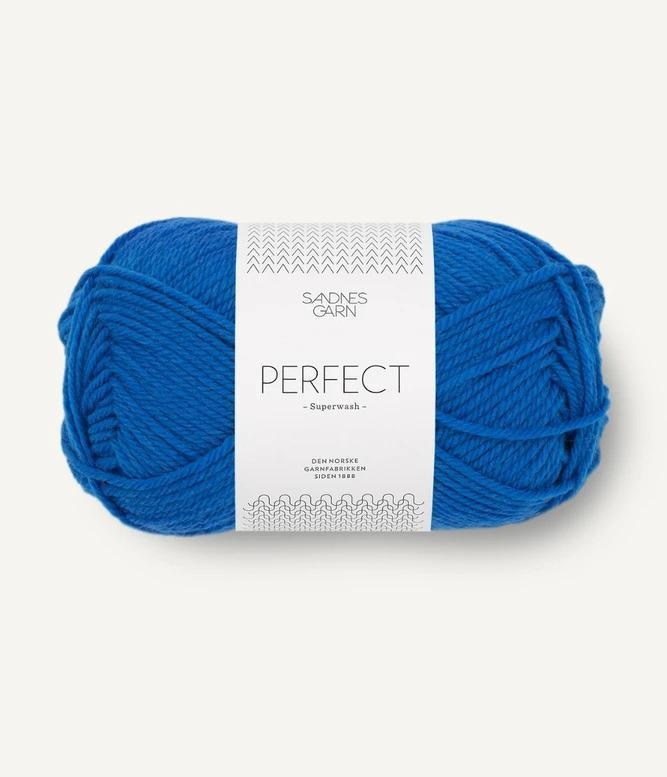
You’ll also notice that superwash yarns often take dye really vividly. Colors can look brighter and more saturated because of how the treated fibers absorb color.
A good example from Sandnes Garn would be Perfect or Babyull Lanett. They’re soft, smooth, and work beautifully for garments where you want clean stockinette and next-to-skin comfort.
What Makes Non-Superwash Different?
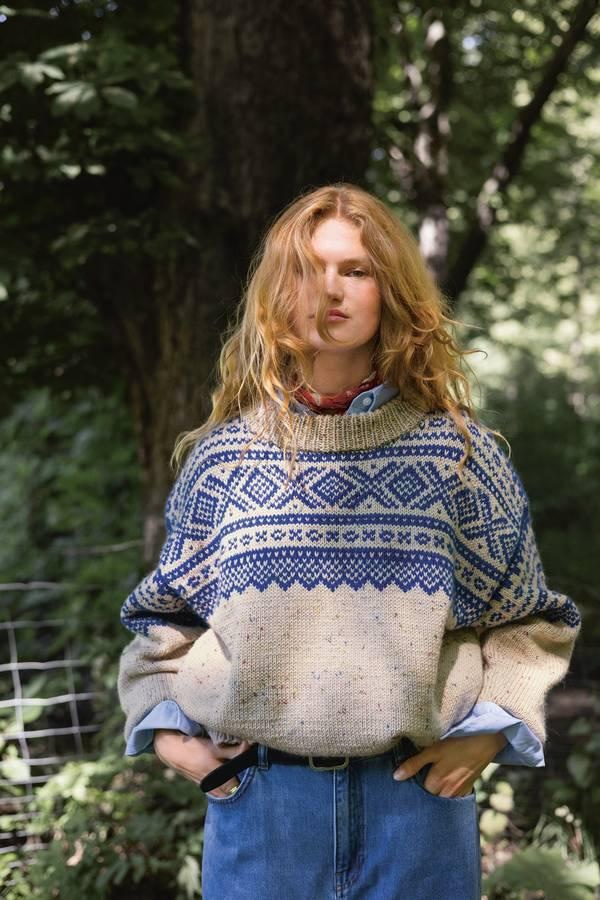
Non-superwash wool still has its natural outer structure intact, which changes how it behaves on the needles and after blocking.
These yarns usually have a little more grip and elasticity, which makes them especially satisfying for things like cables, ribbing, textured stitches, and stranded colorwork. The fibers want to hold onto each other, so stitches stay put more easily and the finished fabric often has a bit more structure.
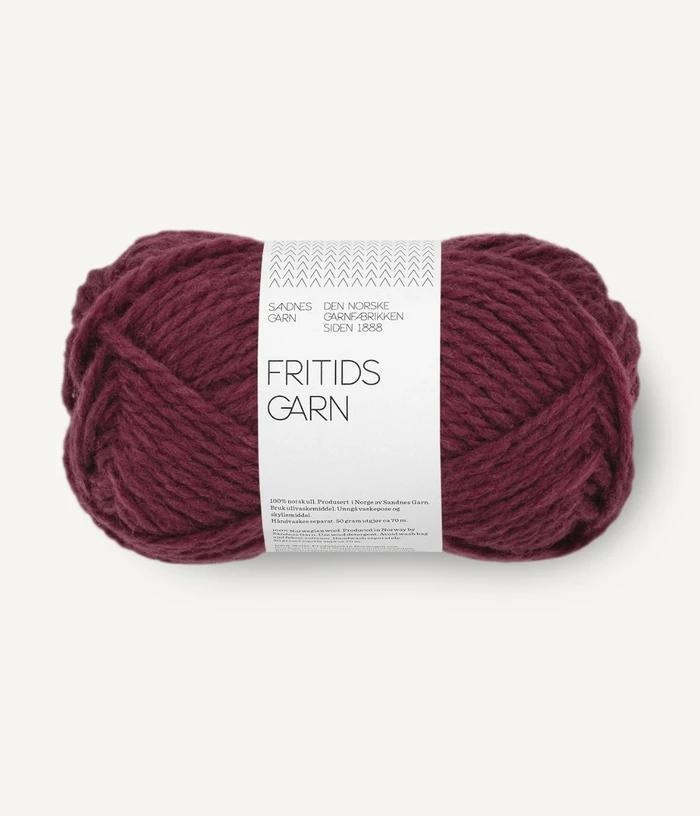
Non-superwash yarn also blooms differently after blocking. Instead of relaxing and draping heavily, it tends to fill in and soften while still keeping some memory.
Sandnes Garn yarns like Peer Gynt, Sunday, and Fritidsgarn are great examples of that woolier feel. They have texture, bounce, and a little more tooth on the needles.
Why Superwash Sometimes Grows
This is the part that surprises a lot of knitters the first time it happens.
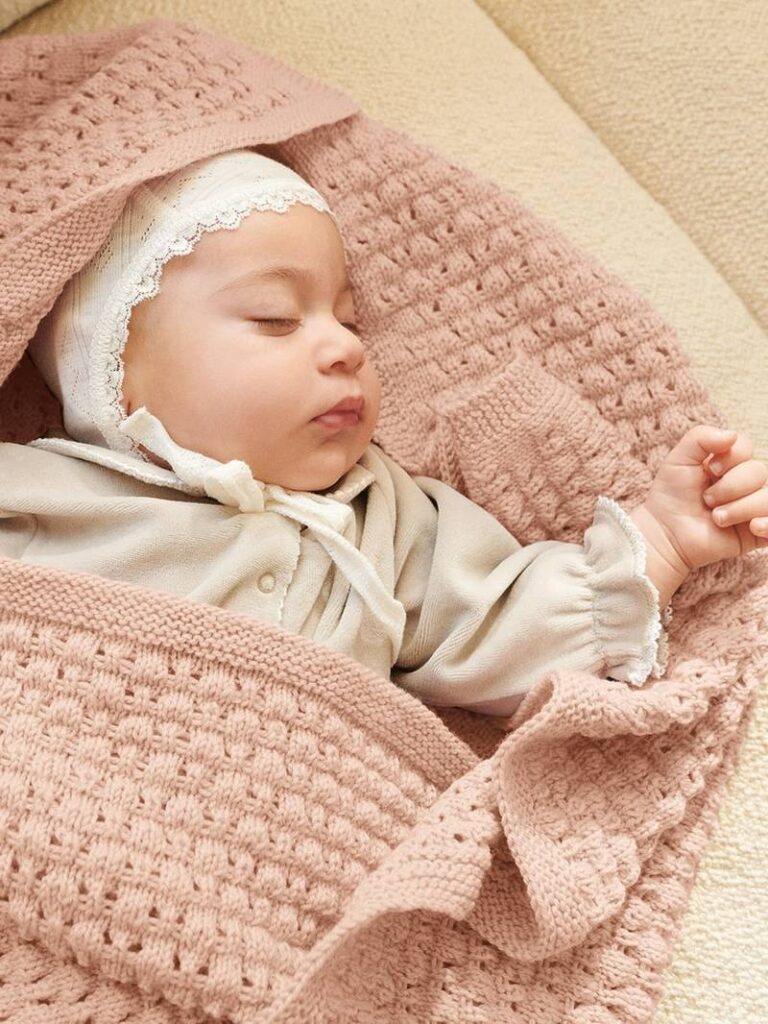
Because superwash fibers don’t grip each other in the same way, the finished fabric can relax quite a bit after washing. That’s especially true for heavier garments or looser gauges. A sweater can suddenly gain length or drape once gravity gets involved.
That doesn’t make it bad yarn—it just means swatching and measuring matter a little more.
This is also why superwash can be amazing for certain projects. Shawls, flowing garments, lightweight tees, and socks can benefit from that softer drape and fluid fabric.
Why Non-Superwash Works So Well for Colorwork
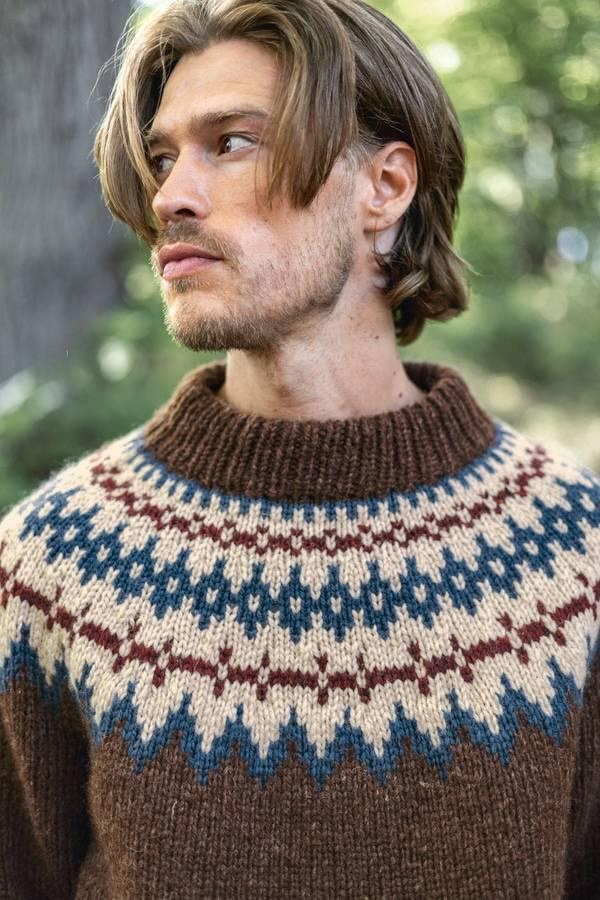
If you’ve ever knit stranded colorwork with a woolly non-superwash yarn, you’ve probably noticed how nicely everything settles together after blocking.
The fibers catch against each other slightly, which helps even out tension and creates a cohesive fabric. That’s a big reason so many traditional colorwork sweaters use non-superwash wool.
So… Which Should You Choose?
Usually, the project answers that question for you.
If you want crisp texture, structure, elasticity, or colorwork support, non-superwash might be the better fit.
If you want softness, easy care, drape, or a fabric that moves more fluidly, superwash could make more sense.
A lot of knitters end up keeping both in their stash because they each bring something different to the table. Once you start noticing how yarn construction changes the finished fabric, it gets much easier to match the yarn to the kind of project you actually want to wear.