
There’s something magical about taking a finished knit and giving it that extra little touch that makes it truly yours.
Maybe it’s adding a pop of unexpected color, stitching on a pattern that speaks to you, or fixing a “creative design choice” (a.k.a. a mistake) without ripping back rows and rows of hard work.
That’s where Duplicate Stitch comes in—and honestly, it’s kind of a game-changer.
This month, we’re shining a spotlight on this versatile and downright clever technique.
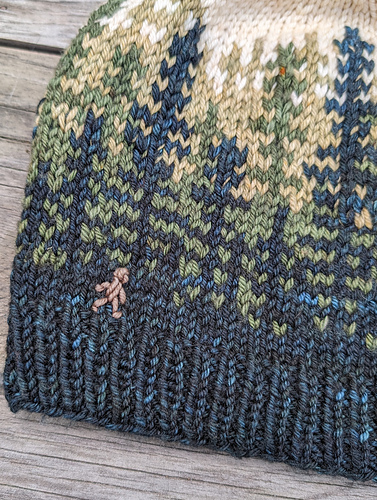
If you’ve ever wanted to personalize your knits or add detail without the stress of stranded colorwork or intarsia, Duplicate Stitch might just become your new best friend.
But here’s the thing—this isn’t just about the technique. It’s about the possibilities it unlocks. The chance to experiment, to embellish, to fix, to play. It’s like having a creative toolkit that lets you bring your vision to life one stitch at a time.
So grab your needles, your favorite yarn, and let’s explore what makes Duplicate Stitch so special. We’ll walk you through everything from tips and tools to patterns that use it in the most brilliant ways.
What Is Duplicate Stitch?
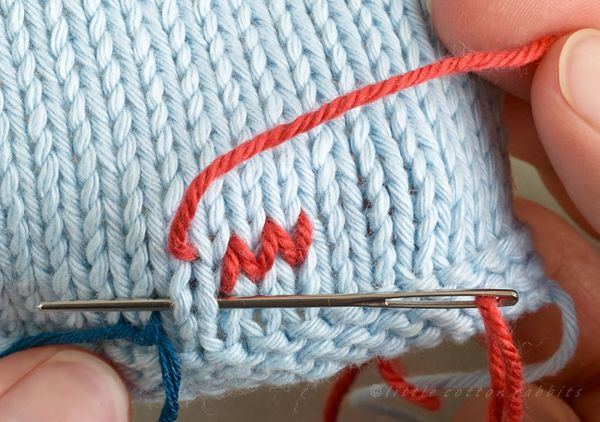
Duplicate Stitch is like embroidery for your knitting—it’s a way to add detail, color, or even fix mistakes by stitching over existing knitted stitches.
Instead of working stranded colorwork or intarsia as you knit, you go back after your project is finished and “trace” the knit stitches with a contrasting yarn.
The result? A seamless design that looks like it was part of the original knitting all along.
This technique is perfect for adding small details or personalizing your knits without the commitment of carrying multiple yarns while you work.
Think names on sweaters, playful motifs, or a little splash of color to make your project unique.
When and Why to Use Duplicate Stitch
Duplicate Stitch is the ultimate low-stress way to add intricate details to your knits.
It’s especially handy when:
- You want to add small pops of color without juggling multiple strands of yarn.
- You’re working on a simple project but want to elevate it with a bold design or motif.
- You’re fixing a mistake in colorwork without having to frog your knitting.
- You want the freedom to try out color ideas without committing to them during the knitting process.
It’s a forgiving, flexible technique that lets you get creative and experiment with your knits in ways traditional colorwork doesn’t always allow.
Tools You’ll Need
Duplicate Stitch doesn’t require any fancy gadgets, but having the right tools on hand makes the process smoother:
Blocking Mats: Blocking your finished project before starting Duplicate Stitch helps smooth the fabric for an easier stitching process.
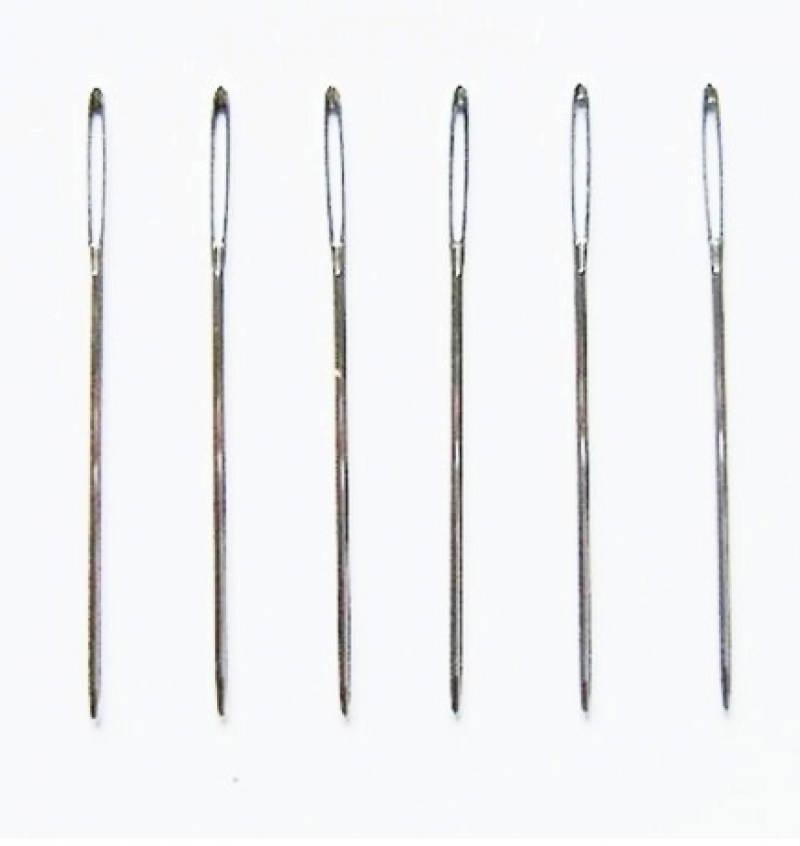
Tapestry Needle: The blunt tip ensures you don’t split your yarn as you stitch.
Scrap Yarn: Match the weight and fiber content of your main project, and pick colors that stand out beautifully against your fabric.
Tips for Success
Getting a smooth, professional-looking Duplicate Stitch is all about preparation and patience. Here are some tips to set you up for success:
- Match the Yarn Weight: Use the same weight yarn as your main project to keep the texture consistent.
- Choose a Tapestry Needle: A blunt needle works best for threading through your stitches without splitting the yarn.
- Plan Your Design: Map out your motif on graph paper or use stitch markers to mark the edges of your design on the knit fabric.
- Work Neatly: Keep the tension of your stitches even but not too tight, so the duplicate stitches sit nicely on top of your fabric without puckering.
Secure Your Ends: Weave in your ends carefully to avoid bulky knots on the back of your work.
Step-by-Step Guide to Duplicate Stitch
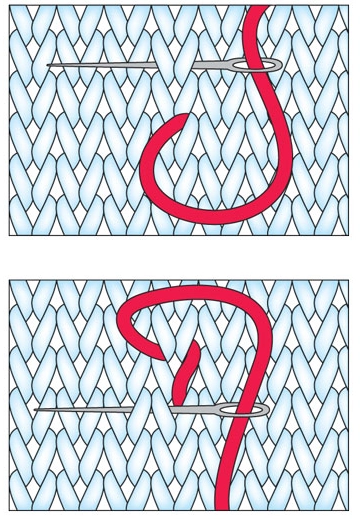
Ready to give Duplicate Stitch a try? Follow these simple steps:
- Thread Your Needle: Cut a length of yarn and thread it onto a tapestry needle. Use yarn that matches your project for blending or contrasts for a decorative effect.
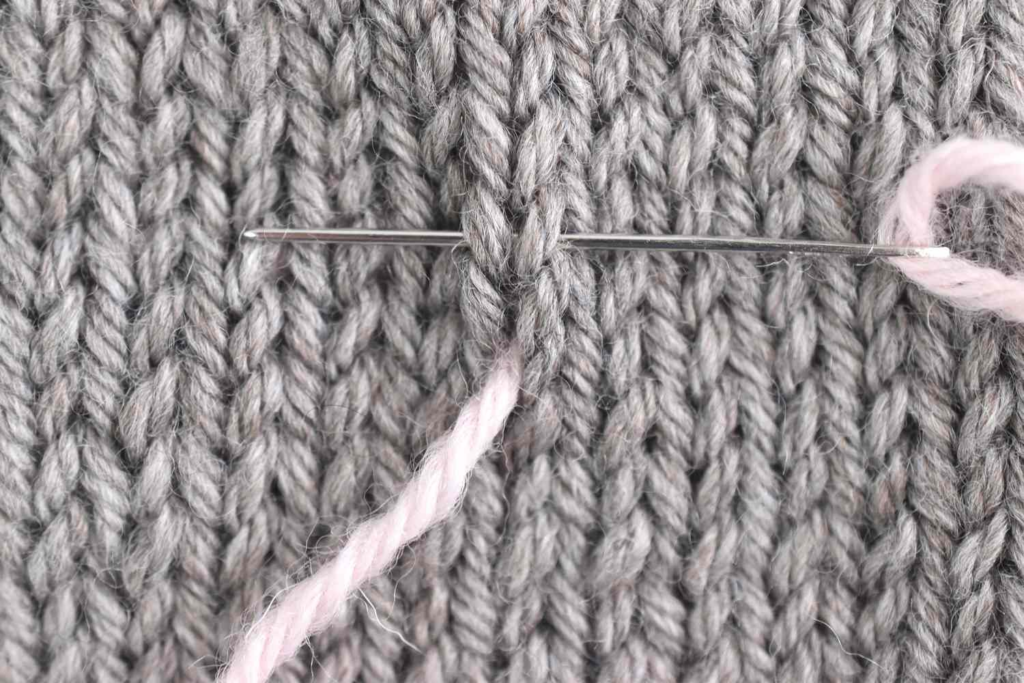
- Start Below the Stitch: Insert the needle from the back of the fabric to the front, just below the stitch you want to duplicate. Leave a short tail on the back.
- Trace the Stitch Path: Slide the needle under both legs of the stitch above the one you’re working on. Pull the yarn through gently.
- Anchor Back Below: Bring the needle back down into the same point where you started, completing the shape of the stitch.
- Repeat: Move on to the next stitch and repeat the process, keeping the tension consistent so the duplicate stitches sit smoothly on top of the fabric.
- Secure the Yarn: When you’ve finished your design, weave in the loose ends on the back of the fabric to keep everything neat and secure.
It’s that simple! Once you’ve got the rhythm down, Duplicate Stitch can open up endless possibilities for personalization and repair in your knitting.
Patterns to Inspire Your Duplicate Stitch Creations
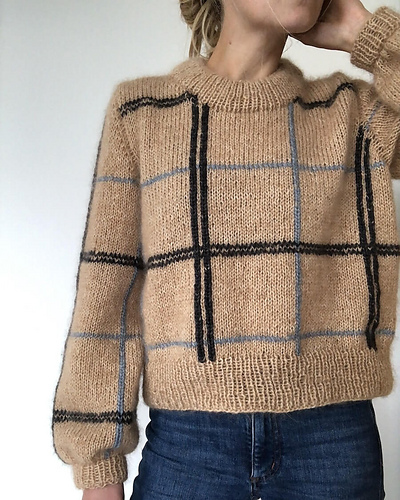
Scotty Sweater by PetiteKnit
The Scotty Sweater is a brilliant example of how Duplicate Stitch can transform a plain sweater into a work of art.
The design starts as a simple stockinette sweater, and the decorative lines and motifs are added after the knitting is complete.
This approach lets you focus on the sweater’s fit and structure first, then get creative with the details.
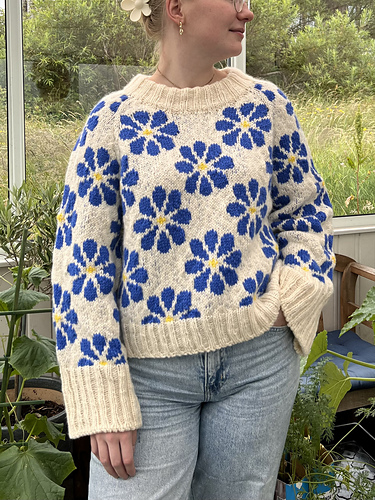
Daisy Sweater Chunky by Solvara Knitwear
This chunky, cozy sweater features stranded colorwork flowers, with the centers of the daisies added using Duplicate Stitch at the end.
The combination of techniques adds depth and interest to the design without overcomplicating the knitting process.
The chunky gauge means this sweater knits up quickly, so you can enjoy both the process and the result in no time.
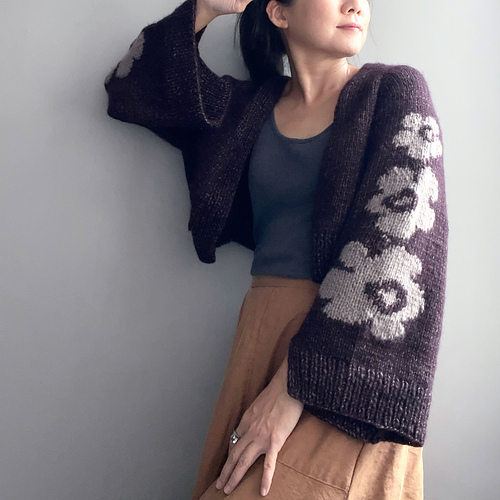
Nola Cardigan by Yamagara
The Nola Cardigan combines traditional stranded colorwork with Duplicate Stitch for the centers of the flowers, reducing the need for frequent color changes.
This technique makes the knitting experience smoother and more enjoyable while still delivering a stunning, colorful result.
The cardigan’s timeless design makes it a versatile addition to any wardrobe, and Duplicate Stitch adds a special, personal touch.
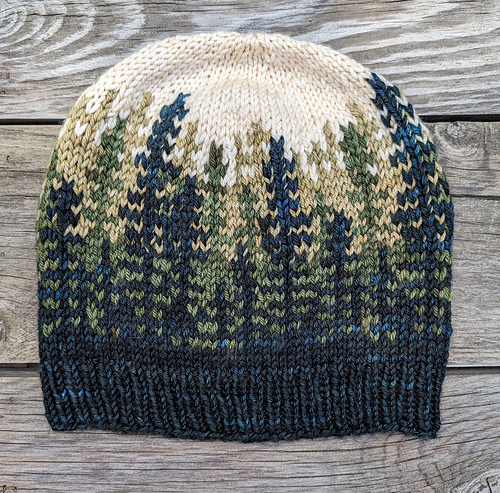
Washington Beanie by Nancy Bates
The Washington Beanie is a breathtaking tribute to the lush layers of trees that define the state’s natural beauty.
This design uses four colors to create a sense of depth, making the trees almost come to life on the hat.
If you prefer knitting with just two colors at a time, you can achieve the same stunning effect by adding Duplicate Stitch afterward. It’s a simple way to bring this intricate design to life without juggling too many strands at once.
The result is a cozy, nature-inspired beanie that’s perfect for chilly outdoor adventures.
We hope this post has inspired you to give Duplicate Stitch a try! Whether you’re sprucing up a sweater, fixing a dropped stitch, or personalizing your projects with your own creative flair, this technique has so much to offer.
It’s a fun way to elevate your knitting without adding extra complexity, and it might just become your new favorite tool in your knitting toolbox.
If you’re feeling inspired, we’d love to see what you create! Share your Duplicate Stitch projects with us on social media using #MotherKnitterMakes—we can’t wait to see your creativity shine.
And don’t forget to stop by the studio for all your knitting needs, from yarn and patterns to expert advice. We’re always here to help you make your knitting dreams a reality.