
Let’s talk about one of those sneaky little techniques that can take your knitting from nice to next level—short rows!
These clever little partial rows help shape your knits in all sorts of ways, from raising the back of a sweater neckline for a perfect fit to adding graceful curves in shawls.
You’ll also find them in patterns for structured cowls, sloped shoulders, and even decorative textures.
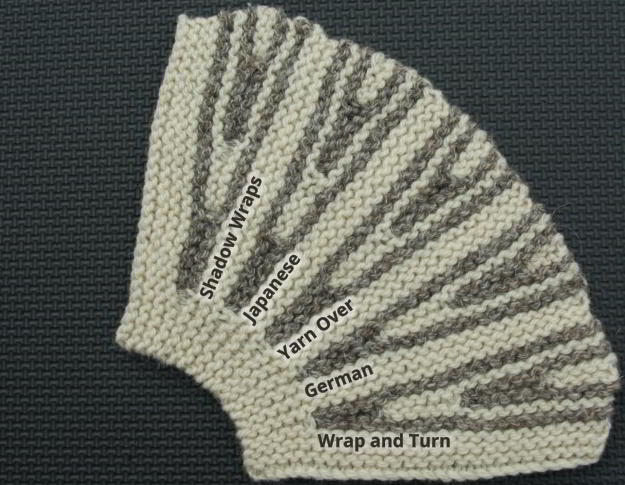
Despite their name, short rows do a lot of heavy lifting in knitting. They can be the difference between a sweater that sits just right and one that feels like it’s fighting you. They add movement, texture, and structure—all with just a few extra stitches.
If short rows have ever felt confusing, or if you’ve avoided patterns that use them, don’t worry! We’re breaking it all down: what they are, when to use them, different techniques, and patterns that show them off beautifully.
Ready to level up your knitting?
What Are Short Rows?
Short rows are a knitting technique that lets you add shape and structure by working only part of a row before turning your work and going back the other way. Instead of knitting all the way across, you stop short (hence the name) and then turn, creating extra fabric where it’s needed.
Think of it like taking a detour in your knitting—you’re still going forward, but with some extra shaping along the way. Short rows help create curves, angles, and sloped edges without adding seams. They’re the secret behind well-fitted sweater necklines, rounded shoulders, and wavy shawl designs.
There are a few different ways to work short rows, but no matter which method you use, the goal is the same: smooth shaping without gaps or holes in your fabric.
When to Use Short Rows
Short rows show up in all sorts of projects, but they really shine when you need extra shaping in specific areas. Once you recognize short rows in a pattern, you’ll start noticing them everywhere!
Here are some of the most common places you’ll find them:
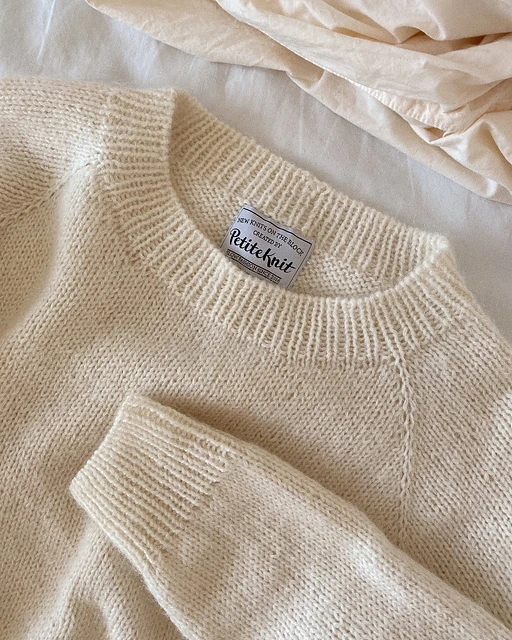
Sweaters
Used to raise the back of the neckline, create shoulder shaping, or add bust darts for a better fit.
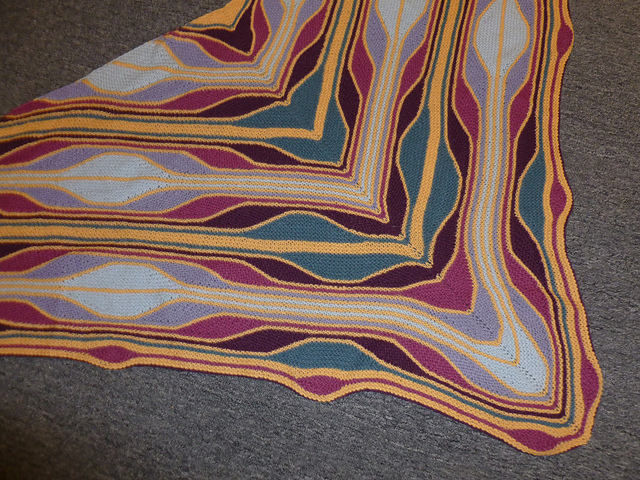
Shawls
Creates elegant curves, waves, and asymmetrical designs without increasing or decreasing stitches.
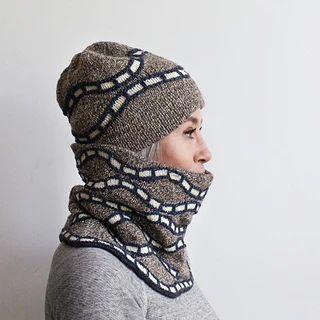
Hats & Cowls
Adds dimension and contouring for a more sculpted look.
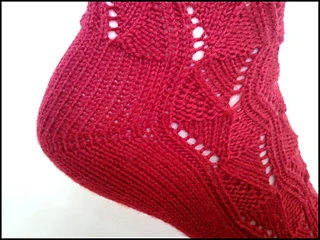
Socks
Often used in heels to create a more anatomical fit.
This is the Fish Lips Kiss Heel.
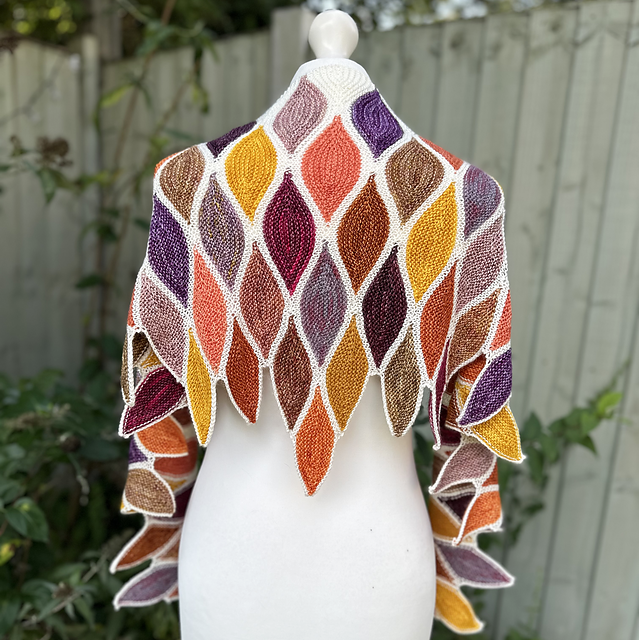
Design Details
Some patterns use short rows purely for aesthetic reasons, adding texture and movement to the fabric.
This is the Blazing Gems shawl.
Step-by-Step: Short Row Methods
There are a few different ways to work short rows, and while they all achieve the same goal, they each have their own quirks. Here’s a breakdown of the three most common types:
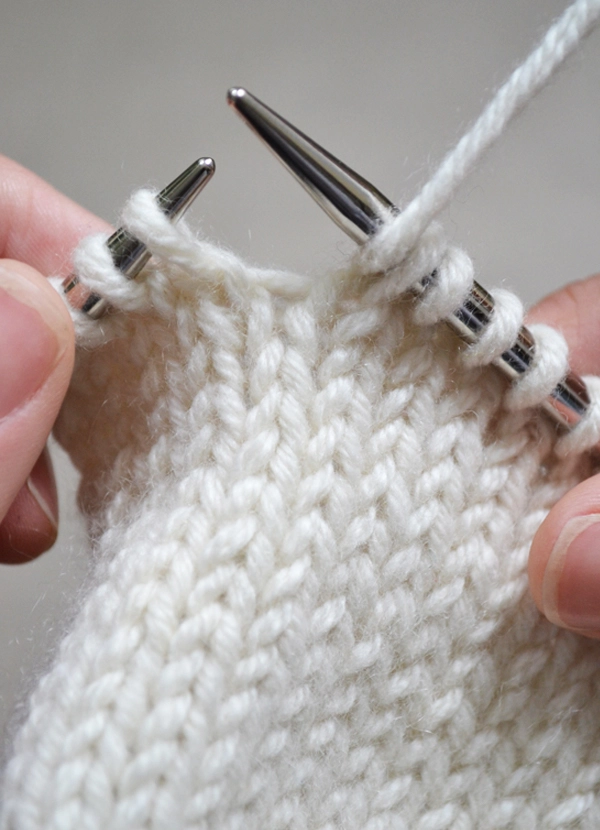
Wrap & Turn (W&T)
One of the most traditional short-row techniques.
- Knit to where the pattern tells you to turn.
- Slip the next stitch purlwise, bring the working yarn to the front, and slip the stitch back.
- Turn your work and continue knitting in the other direction.
- Later, when you knit back over the wrapped stitch, pick up the wrap and knit it together with the stitch to avoid a gap.
Good for: Simple shaping in sweaters and shawls.
Downside: The wrap can sometimes be visible, especially in looser fabrics.
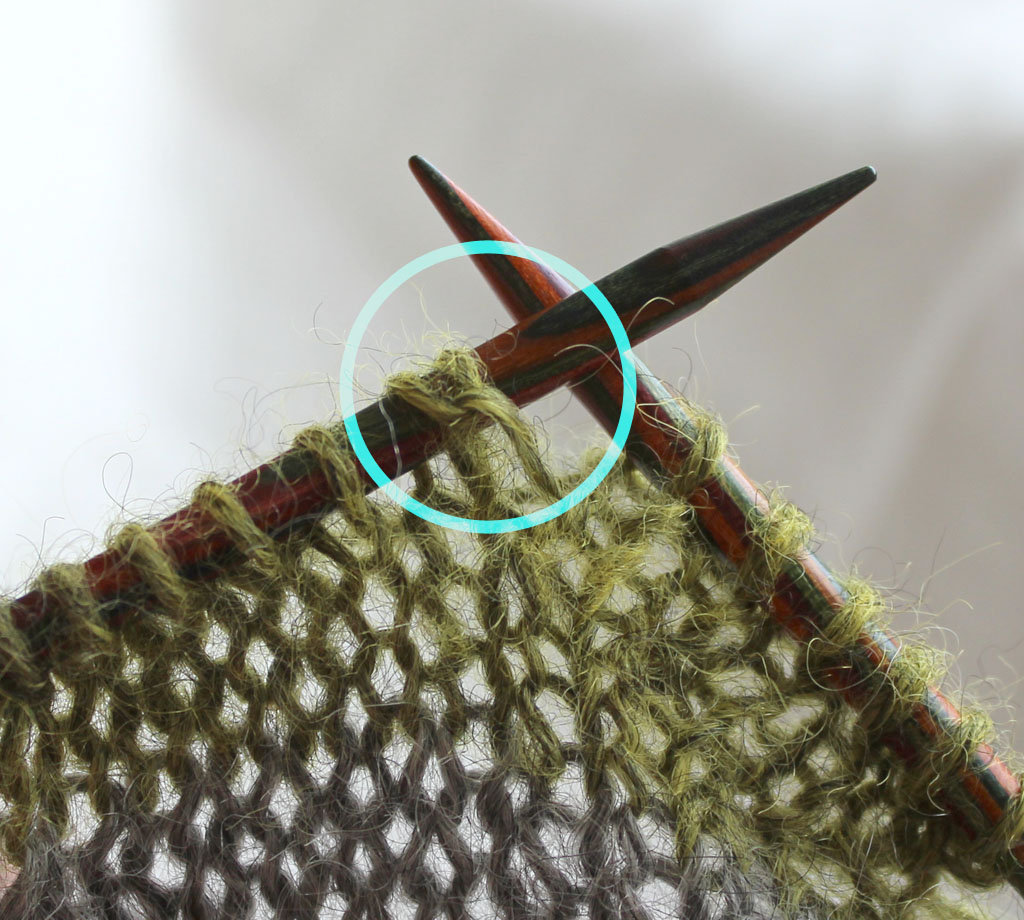
German Short Rows
A favorite for many knitters because the technique blends seamlessly.
- Knit to where the pattern tells you to turn.
- Turn your work, and with the yarn in front, slip the first stitch purlwise.
- Tug the yarn up and over the needle so the stitch looks like it has two legs.
- Continue knitting in the other direction.
- When you work back over the double stitch, knit (or purl) both legs together.
Good for: Garments and projects where you want an invisible transition.
Downside: Can be tricky to spot the double stitches if you’re new to it.
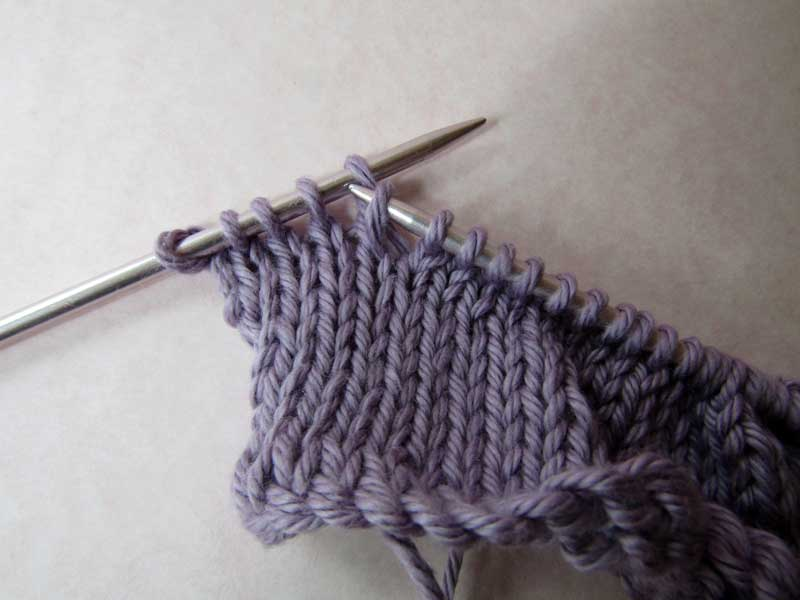
Shadow Wraps
Creates nearly invisible shaping with a slightly different technique.
- Knit to the turning point.
- Insert your right-hand needle into the stitch below the next stitch on the left needle and knit into it.
- Place the new stitch back on the left needle and knit it again.
- Turn your work and continue knitting.
Good for: Sock heels, decorative elements, and extra-smooth shaping.
Downside: May take a little practice to recognize and work the shadow stitches.
Once you get comfortable with short rows, you might find that you prefer one method over the others—or even mix them up depending on the project!
Short Row Tips & Tricks
If short rows have ever given you trouble, these tips will help make them easier and more enjoyable:
- Mark Your Turning Points – Use stitch markers or locking stitch markers to keep track of where you turned. This is especially helpful when working a lot of short rows in a row.
- Swatch Before Diving In – Some short-row methods work better in certain yarns than others. A quick test will help you decide which technique gives you the cleanest finish.
- Tighten Stitches Gently – Avoid pulling too hard when working back over a short row. A light tension will help keep the fabric smooth without puckering.
- Keep a Cheat Sheet – If you’re new to short rows, jot down a reminder of how to work your preferred method so you don’t have to look it up mid-project.
Once you get the hang of it, short rows become one of those techniques that feel like second nature.
Patterns That Put Short Rows to Work
Now that we’ve covered the how of short rows, let’s talk about the why. Some patterns use them for shaping, others for pure design magic—but in every case, short rows add something special. A sweater that fits just right, a shawl with beautiful curves, or a hat with unexpected texture—short rows do a lot of heavy lifting.
Here are a few patterns that make great use of short rows, whether they’re adding subtle shaping or creating bold design elements.
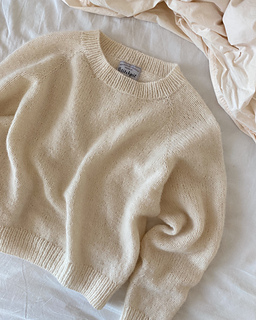
No Frills Sweater by PetiteKnit
At first glance, this might look like a simple, go-with-everything sweater—but the reason it fits so well? Short rows.
Right after casting on, short rows raise the back of the neckline so it sits comfortably without tugging at the front. It’s a small detail that makes a huge difference.
This is a great project if you’re new to short rows because they’re only used at the beginning, giving you a low-pressure way to practice before settling into rounds of soothing stockinette.
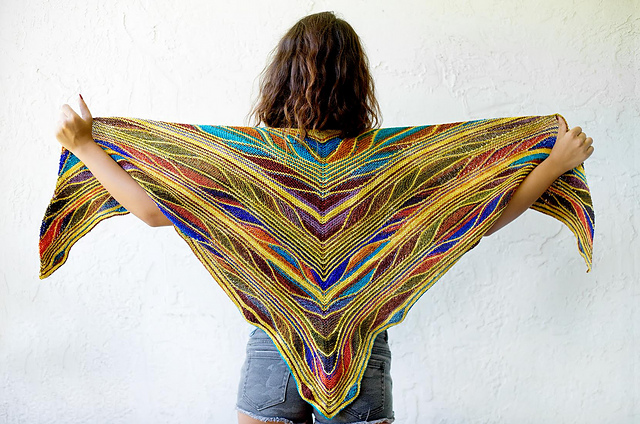
Butterfly Shawl by MarinJa Knits
Short rows are the star of the show in this one. The Butterfly Shawl features flowing, wavy sections that expand and contract, creating a mesmerizing pattern reminiscent of butterfly wings. Instead of a traditional triangular shape, this shawl has beautiful curves built right into the design.
If you’ve ever wanted to see short rows in action, this is the project for you. The contrast between short-row sections and the surrounding fabric makes every turn visible—making it both fun and educational.
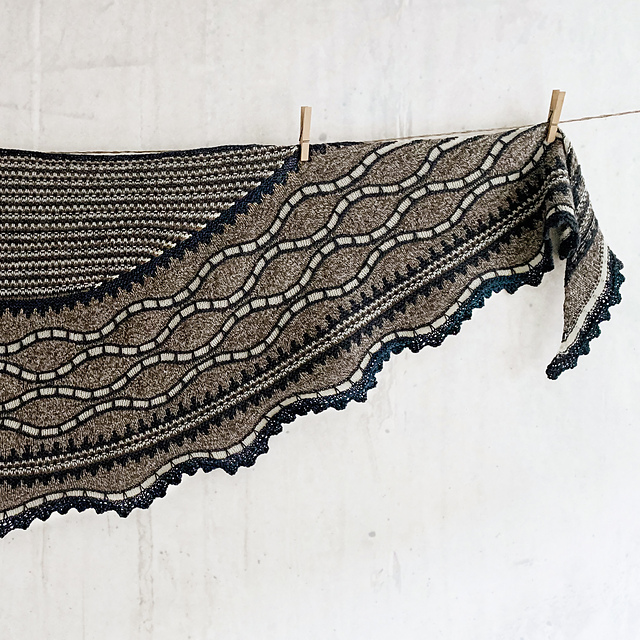
Fluxus Shawl & Fluxa Cowl by Natasja Hornby
Rhythmic, structured, and striking—these pieces use German short rows to create undulating waves across the fabric.
The clever shaping draws inspiration from ancient decorative motifs, and the result is a modern, sculptural accessory.
If you want to take short rows beyond simple shaping and into the realm of texture and design, these patterns are incredible options.
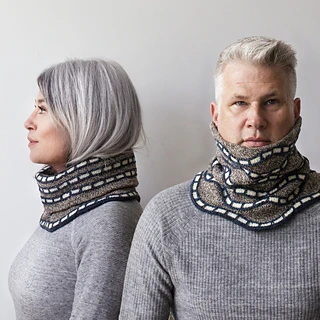
Short rows might seem mysterious at first, but once you see how they transform fabric, they become one of the most satisfying techniques to master.
These patterns are a great way to practice—and end up with something beautiful in the process!
Ready to Give Short Rows a Try?
Short rows have a way of sneaking up on you. One day, they seem intimidating, and the next, they’re just another trick up your sleeve—helping your sweaters fit better, your shawls drape beautifully, and your projects look effortlessly polished.
If you’ve been curious about short rows, now’s the time to cast on and experiment. Pick a pattern, grab some yarn, and embrace the magic of shaping stitches in new ways. And if you need a little help along the way, we’re always happy to chat techniques, troubleshoot tricky spots, or just cheer you on.
Stop by the shop, send us a message, or share your short-row adventures with us on social media—we’d love to see what you’re working on!