
Every knitting project starts the same way: with a cast-on. But how you choose to begin can make a big difference in the look, feel, and function of your finished piece.
A stretchy edge might be perfect for a pair of cozy socks, while a sturdy cast-on could give your cardigan the structure it needs.
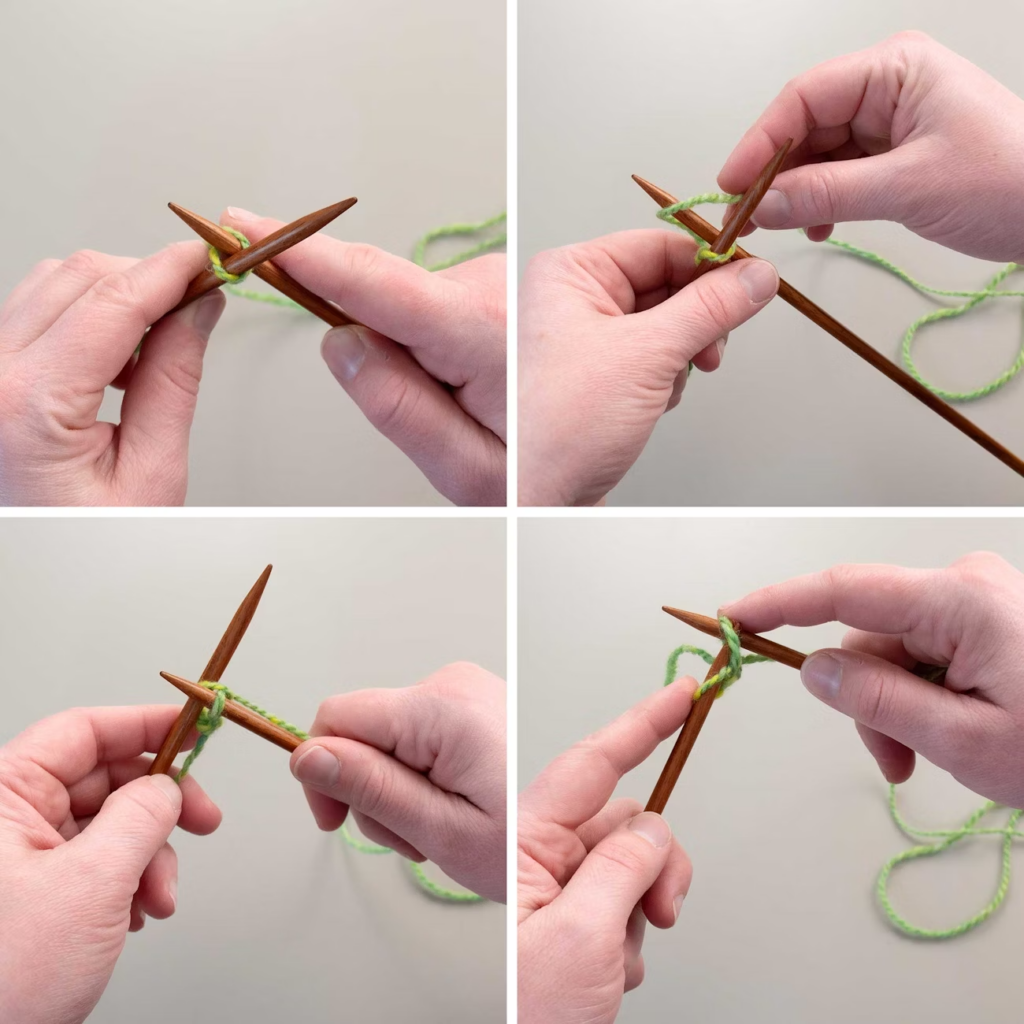
This month, we’re shining a light on cast-on methods. Some are classics you may already know, while others might be new to you—but each has its strengths.
We’ll talk through the most common types, when to use them, and little tips that can make your knitting smoother right from the first stitch.
By the end, you’ll have a toolkit of options that can help you match the perfect start to any project.
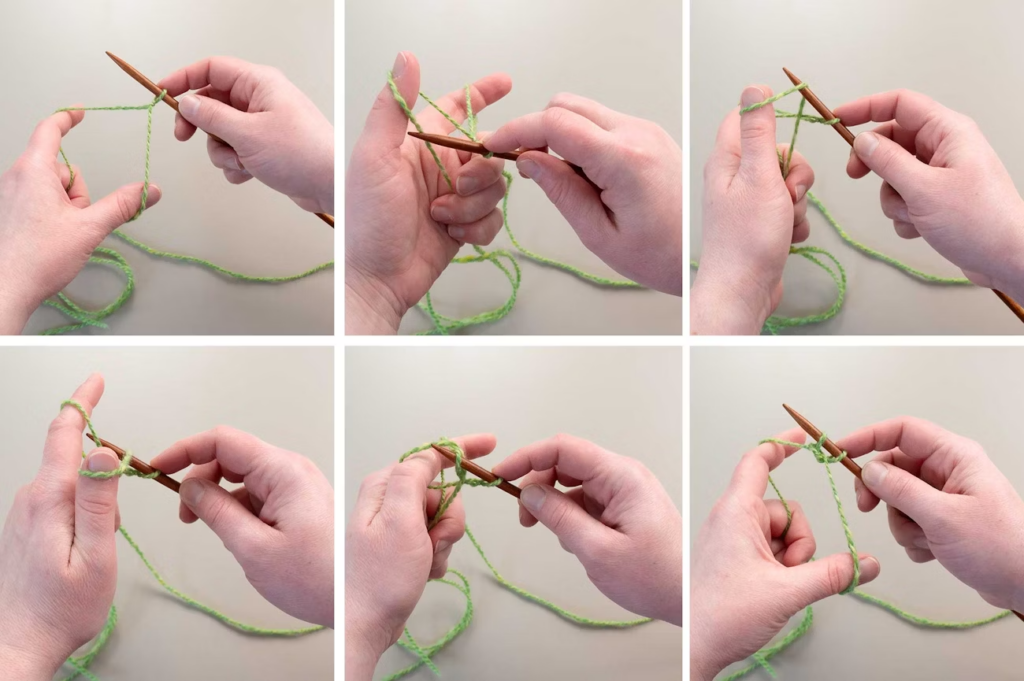
Long Tail Cast-On
The classic. Once you’ve got the knack for estimating yarn, the long tail cast-on is quick, neat, and elastic enough for most projects.
It creates an edge that looks tidy and blends well with stockinette, making it a go-to for sweaters, scarves, and hats.
How to do it: Make a slipknot with a long tail of yarn. Hold the yarn over your thumb and index finger to make a “slingshot.” Scoop the working yarn with the needle to form each stitch, tightening gently against the needle as you go.
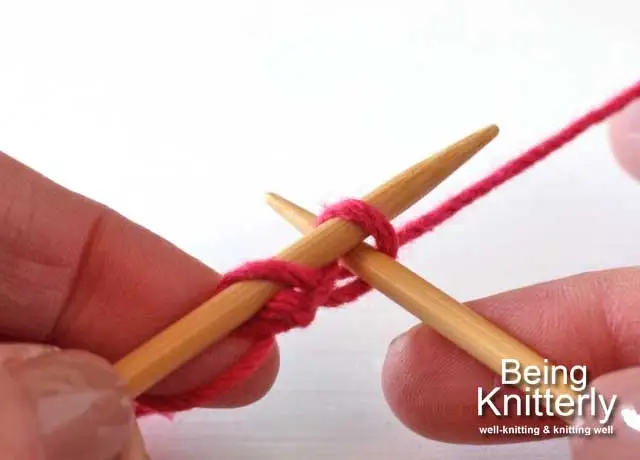
Knitted Cast-On
This one feels like easing into your stitches instead of jumping right in.
It’s beginner-friendly and gives a slightly looser edge than long tail, which can be handy for lace or projects where you need a little extra give.How to do it: Start with a slipknot. Knit into that stitch, then place the new loop back on the left needle. Repeat — knit into the last stitch, return the loop, and keep going.
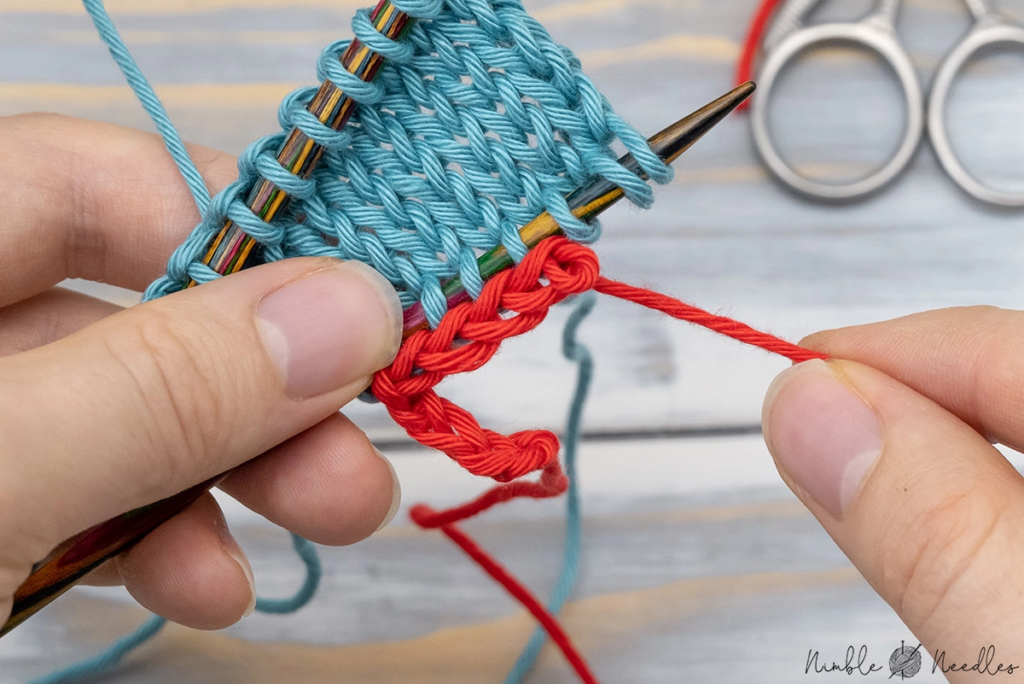
Provisional Cast-On
Sometimes the stitches you cast on aren’t meant to stay put. The provisional cast-on lets you knit with the knowledge that those loops can be “unzipped” later and picked up as live stitches. It’s the secret behind seamless joins or knitting in two directions.
How to do it: Crochet a loose chain with waste yarn. Knit into the bumps on the back of the chain with your project yarn. Later, you’ll rip out the chain to reveal live stitches ready to knit.
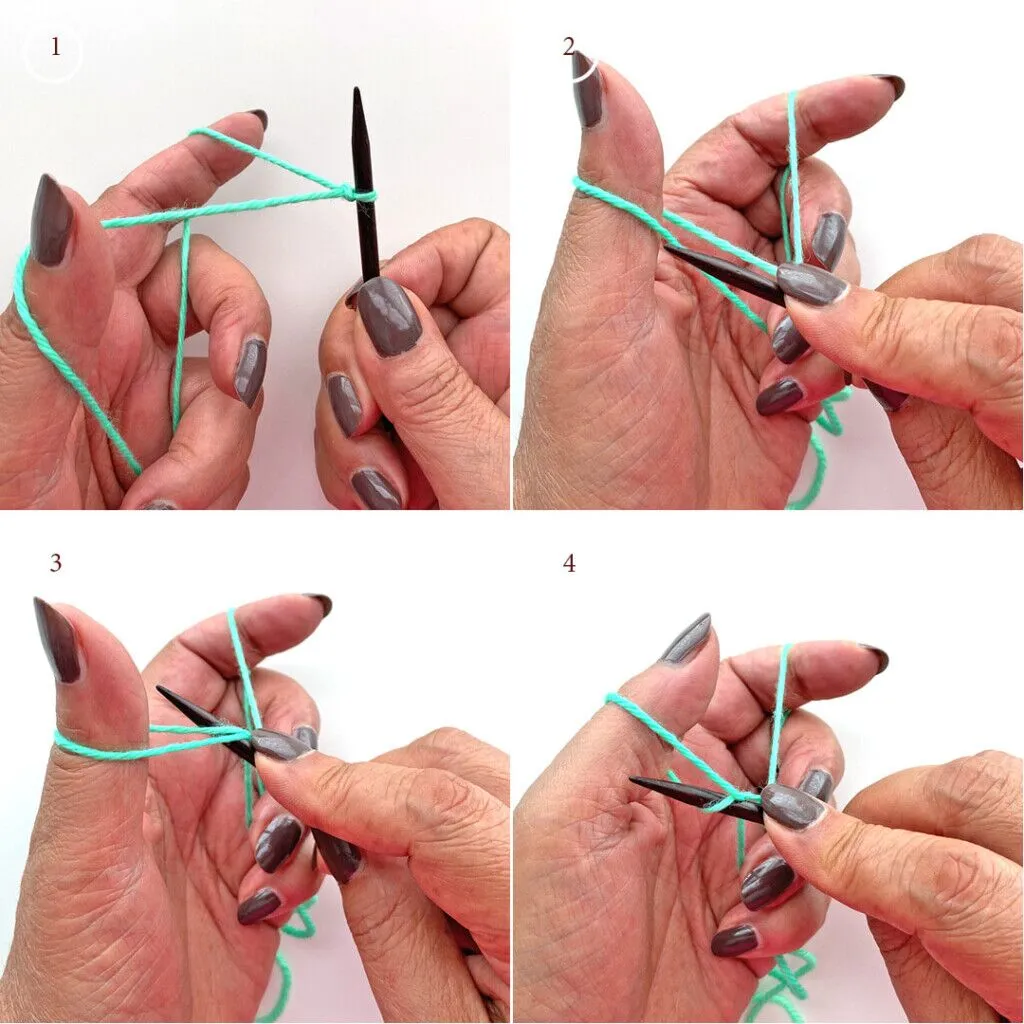
German Twisted Cast-On
Think of this as the long tail’s stretchier cousin. It uses the same basic motion but adds an extra twist, giving you a very elastic edge that’s great for cuffs, socks, and hats.
The edge looks neat but has more give than a standard long tail.
How to do it: Start with a slipknot and hold the yarn just as you would for a long tail cast-on. Instead of scooping straight through the loop on your thumb, swing the needle under both strands, twist around the thumb loop, then scoop the working yarn from your index finger. Bring the needle back through the thumb loop to finish. Repeat until you’ve got the stitches you need.
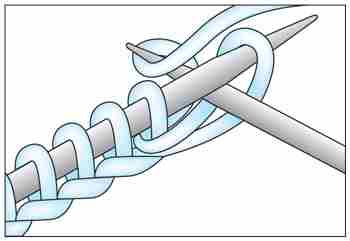
Cable Cast-On
Similar to the knitted cast-on but with a firmer hand. The cable cast-on produces a sturdy, well-defined edge that holds its shape.
It’s less stretchy than long tail, but that’s often exactly what you want for button bands or structured edges.
How to do it: Start with two stitches on your left needle (cast on with knitted cast-on to get those). Insert the right needle between the last two stitches, draw up a loop, and place it back on the left needle. Repeat between each pair of stitches.
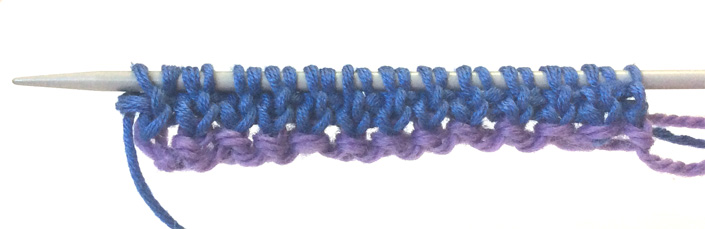
Tubular Cast-On
This one looks fancy, but it’s worth learning. The tubular cast-on creates a smooth, rounded edge that flows seamlessly into ribbing.
It’s perfect for sweater cuffs, hems, and collars when you want the fabric to look polished.
How to do it: There are a few versions, but the most common is to start with a provisional cast-on in waste yarn, then knit a setup row alternating knits and yarn overs. After a few rows, you pull out the waste yarn and the edge rolls perfectly into your ribbing.
A Note on Cast-On Variety
We’ve only scratched the surface here.
There are dozens of other cast-on methods—each with its own quirks, history, and uses.
You don’t need to know them all, but trying a few beyond your usual routine can open up options you might not have realized were there.
Think of it as collecting a small toolkit of go-to beginnings you can pull out depending on the project.
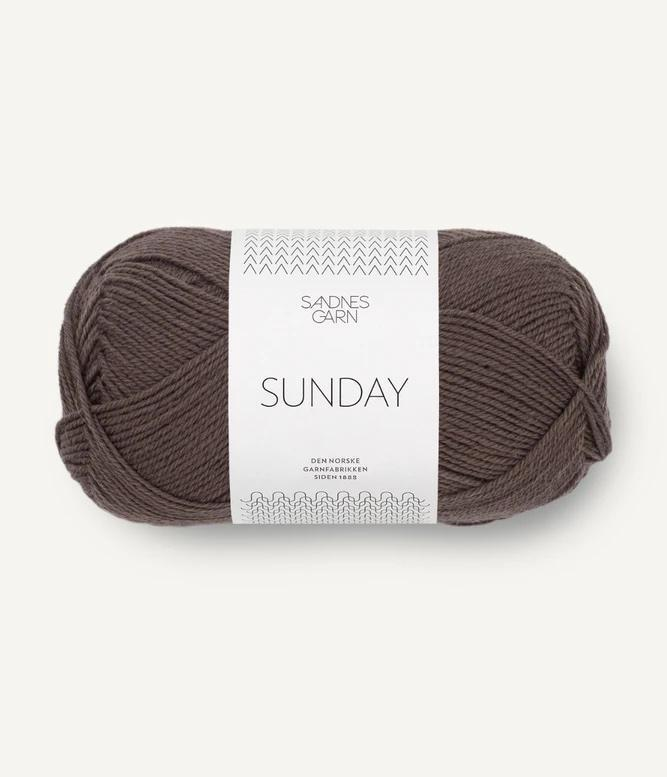
Yarn Suggestions
A few yarns from the shop that pair beautifully with cast-on experimentation:
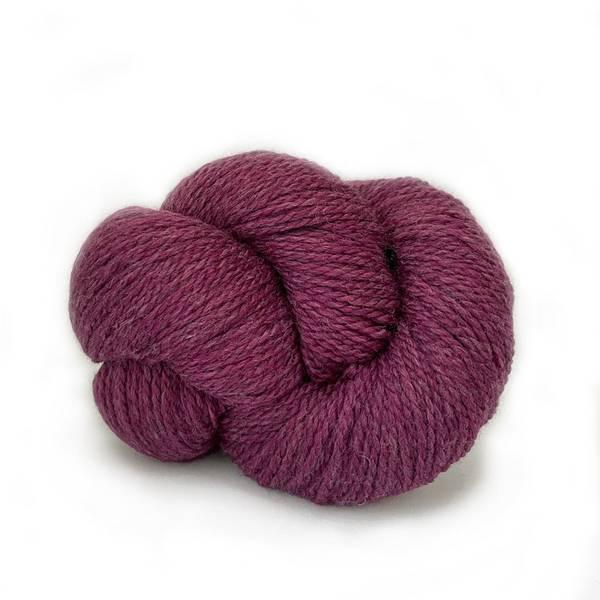
There’s something satisfying about having the right cast-on for the job—it’s a small detail that makes a big difference once your project is finished.
Try swapping out your usual go-to method the next time you cast on and see how it changes the look and feel of the edge. And if one of these techniques is brand new to you, that’s even better—adding another tool to your knitting toolkit always pays off.
Yarn and needles are ready for you in the shop if you want to practice a few new beginnings before your next big project.